
How UGC Creators Find Brands Running Ads: A Data-Driven Guide

Author
Aaron M
UGC creators can find brands running ads by using Meta and TikTok Ad Libraries to search for active campaigns, then applying filters for ad content and engagement. Automation tools like AdsLeadz can monitor these libraries for new UGC-friendly campaigns and extract contact information for outreach.
Direct Answer: Use Ad Libraries and Automation to Find Active Campaigns
UGC creators find brands running ads by using public ad libraries like Meta Ad Library and TikTok Ads Library to see active campaigns. Combine this with automation tools to monitor new ads in real-time. This data-driven approach lets you identify advertisers on Facebook and other platforms who are actively investing in paid media, making them prime targets for UGC partnerships. Focus on brands with high ad frequency and recent launches, as they likely need fresh content. Start with Meta’s tool since it’s the most comprehensive for finding brands running Meta ads.
Manual searches work, but they’re time-consuming. Savvy creators automate the process with browser extensions or dedicated SaaS platforms. These tools scan ad libraries continuously and alert you when new campaigns appear in your niche. This shifts your prospecting from reactive to proactive, giving you a competitive edge in ugc brand prospecting.
How UGC Creators Find Brands Running Ads: A Practical Framework
This framework combines manual research with automation to build a sustainable pipeline of brand opportunities.
Step 1: Define Your Niche and Criteria Start by narrowing your focus. Are you targeting DTC skincare brands, fitness apps, or sustainable fashion? Define 3-5 keywords that represent your ideal clients. This makes your search more efficient.
Step 2: Use Ad Libraries for Initial Discovery Meta Ad Library and TikTok Ads Library are your primary sources. Search using your keywords and filter by active ads in your target region. Bookmark promising advertiser pages.
Step 3: Automate Monitoring with Tools Set up alerts in tools like AdsLeadz to track new campaigns matching your criteria. This ensures you don’t miss time-sensitive opportunities.
Step 4: Qualify and Prioritize Prospects Not every advertiser is a good fit. Prioritize brands with multiple active ads, recent launches, and creative that aligns with UGC styles.
Step 5: Systematize Outreach Create a simple CRM (even a spreadsheet works) to track prospects, outreach dates, and follow-ups. Consistency here separates successful creators from hobbyists.
This framework turns random searching into a repeatable process. For a deeper dive into qualifying brands, see our guide on UGC pitching strategies.
Key Tools for UGC Brand Prospecting: Meta and TikTok Ad Libraries
Meta Ad Library is your primary tool for finding advertisers on Facebook and Instagram. It’s a public database showing all active ads across Meta platforms. Access it at Meta Ad Library. Search by brand name, keyword, or page. You can filter by country, platform, and ad type. This transparency lets you see exactly which brands are running Meta ads, their creative assets, and how long campaigns have been active.
TikTok Ads Library serves a similar purpose for TikTok. Visit TikTok Ads Library. It’s slightly less comprehensive than Meta’s but crucial for brands targeting younger demographics. You can browse by industry, format, and objective. Both libraries are free and updated in near real-time.
Pro Tips for Using Ad Libraries
- Filter by ad content: Look for ads featuring real people or testimonials.
- Check ad duration: Campaigns running for months indicate sustained budgets.
- Note link destinations: Ads driving to product pages signal direct response goals.
Use these tools to:
- Identify brands with consistent ad spend
- Analyze their creative style and messaging
- Spot new product launches or promotions
- Understand their target audience through ad copy
Pro tip: Bookmark these links and check them daily. Consistency beats sporadic deep dives.
Step-by-Step: Find Advertisers on Facebook and Meta with Ad Libraries
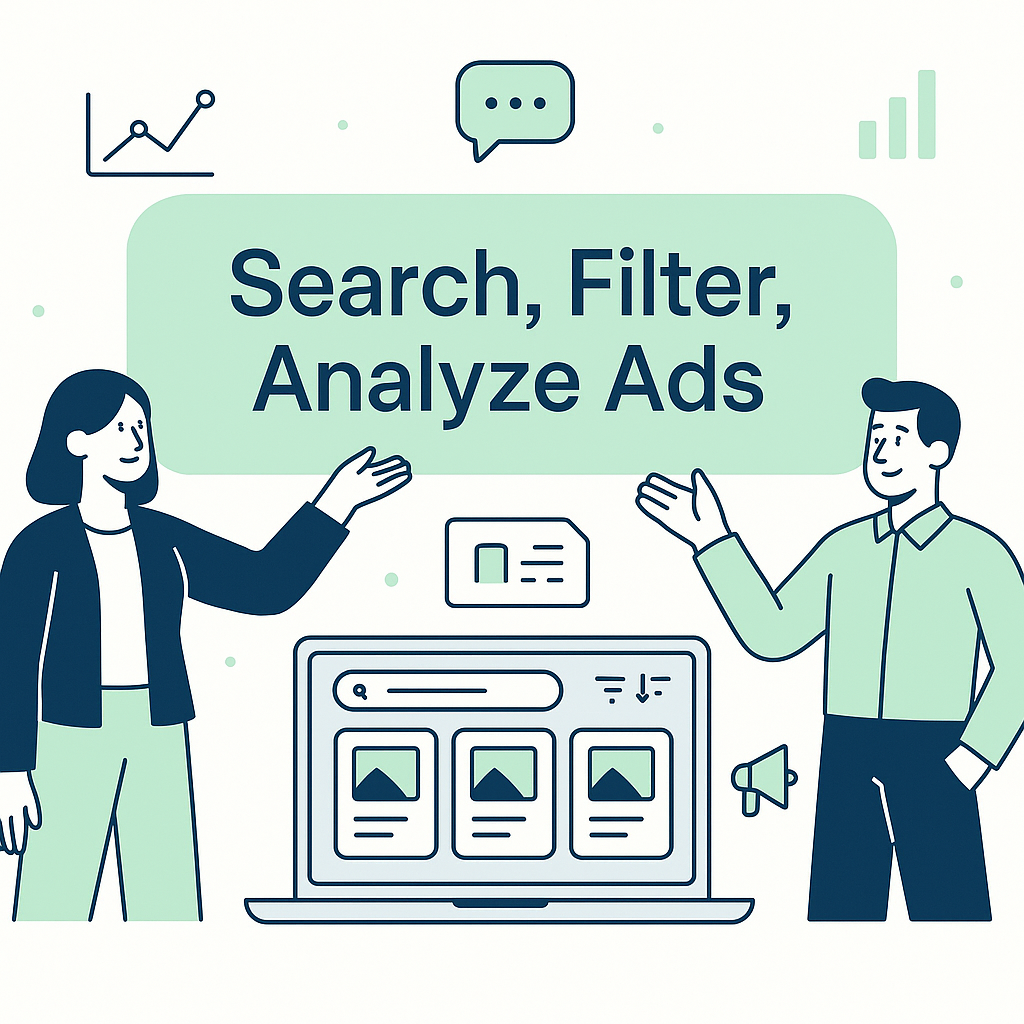
Step 1: Open and Search Open Meta Ad Library and enter a broad niche keyword like “skincare” or “fitness app.” Use the search bar at the top.
Step 2: Apply Smart Filters Filter results by your country and select “All” for ad type to see everything. This shows you brands running Meta ads in that category.
Step 3: Analyze Individual Ads Click on individual ads to see details like start date, platforms used, and link destinations. Ads running for months indicate sustained budgets.
Step 4: Investigate Advertiser Pages Note the advertiser’s page and visit it directly. Check their organic content for alignment with your style.
Step 5: Verify Ad History Use the “Page Transparency” section on their Facebook page to see ad history. This confirms they’re actively advertising.
Step 6: Build Your List Systematically Repeat for 5-10 brands daily to build a prospect list. Track them in a spreadsheet with columns for brand name, niche, ad frequency, and contact status.
Example: Searching “meal delivery” in the U.S. shows brands like Factor and HelloFresh with multiple active ads. Their high frequency signals they’re scaling customer acquisition — a perfect opportunity for UGC creators.
Avoid just looking at big names. Dig deeper into smaller DTC brands; they often have more flexible budgets and faster decision cycles.
Automate Your Search: Set Up Alerts for New UGC Campaigns
Manual searches become inefficient at scale. Automation tools monitor ad libraries continuously and notify you of new opportunities.
Browser Extensions vs. Dedicated Platforms Browser extensions like AdHunter run directly in your browser, while SaaS platforms like AdsLeadz offer more comprehensive features including contact extraction and lead management.
How to Set Up Effective Alerts
- Choose 2-3 niche keywords (e.g., “sustainable activewear,” “home fitness equipment”)
- Set up alerts in your chosen tool for those keywords
- Review alerts daily and qualify prospects based on ad quality and frequency
- Add qualified brands to your outreach list immediately
Pro Tips for Automation
- Start simple: Begin with 3-5 keywords and expand as you refine your criteria.
- Use Boolean operators: Combine terms like “UGC” AND “testimonial” for precise results.
- Set daily review time: Dedicate 15 minutes each morning to process alerts.
Automation ensures you don’t miss time-sensitive opportunities. Brands often launch ads around product drops or holidays — being first in their inbox increases your chances. For a comparison of automation tools, see our UGC prospecting tools review.
Beyond Meta and TikTok: Cross-Platform Ad Analysis for Creators
Meta and TikTok dominate, but other platforms offer valuable signals. Google Ads Transparency Center shows ads running on Google Search, YouTube, and Display Network. Access it at Google Ads Transparency Center. It’s less visual but reveals which brands invest in search and video ads.
LinkedIn doesn’t have a public ad library, but you can infer activity from company page updates and job postings for marketing roles.
Niche platforms like Pinterest or Reddit require manual observation. Follow subreddits or boards related to your niche; sponsored posts indicate active advertisers.
Analyze ad frequency across platforms. A brand running similar ads on Meta, TikTok, and Google is likely in aggressive growth mode. They need content faster than in-house teams can produce.
Target DTC brands specifically. They rely heavily on performance marketing and often work with UGC creators. Use tools like BuiltWith or SimilarWeb to estimate their traffic sources; high paid traffic percentages signal ad spend.
Cross-platform analysis gives a complete picture of a brand’s marketing strategy. It helps you tailor your pitch to their multi-channel needs.
Prospecting and Pitching: How to Approach Brands for UGC Deals
Finding brands is half the battle. Pitching effectively closes deals.
Qualify Prospects First Look for:
- Active ads within the last 30 days
- Consistent creative (indicates a content pipeline need)
- Alignment with your audience and style
Craft a Personalized Pitch Good example: “Hi [Brand Name], I saw your recent ad for [Product] on Facebook. I create UGC for [Niche] and think my authentic style could boost your campaign performance. Here’s a sample video I made simulating your ad angle: [Link]. Are you open to collaborating?”
Bad example: “Hi, I’m a UGC creator looking for brands to work with. Let me know if you’re interested.”
Include a portfolio link with relevant samples. Show you understand their product and audience.
Follow up once after 5-7 days if no response. Keep it brief and reference their latest ad.
Pitching Checklist
- Personalize with specific ad reference
- Attach or link to a relevant sample
- Clear call-to-action (e.g., schedule a call)
- Professional email signature with links
- Send during business hours, Tuesday-Thursday
Pitch to brands when they’re actively advertising — they’re in execution mode and more receptive.
Real Examples: Brands Running Ads for UGC Creators
Glossier consistently runs Meta ads featuring user-generated content. Their ads often show real customers rather than models. Search “Glossier” in Meta Ad Library to see multiple active campaigns. This indicates they value authentic content and work with creators.
Hims & Hers uses UGC-style ads across Facebook and TikTok. Their ads frequently feature testimonials and everyday usage scenes. High ad frequency suggests ongoing content needs.
Brooklinen leverages UGC in ads for bedding and home goods. Their creative mixes professional shoots with customer photos. Check their TikTok Ads Library for recent examples.
Olipop (a soda alternative) runs ads with creators showcasing the product in daily life. Their Meta ads highlight flavor variety through user experiences.
These brands invest in paid media and integrate UGC into their ad creative. By analyzing their ads, you can reverse-engineer their content strategy and propose similar styles.
Note: These examples are based on public ad library observations. Actual partnership details may vary, but the ad activity signals opportunity.
Use these brands as benchmarks. Look for similar patterns in smaller companies within your niche.
Pro Tips and Common Mistakes for Long-Term Success
Pro Tips for Sustainable Prospecting
- Track ad spend signals: Use tools like SEMrush or Ahrefs to estimate a brand’s paid traffic. Higher spend often means bigger content budgets.
- Focus on recency: Prioritize brands with ads launched in the last 2 weeks. They’re actively optimizing campaigns.
- Build a niche specialty: Become known for a specific vertical (e.g., eco-friendly products, gaming gear). Brands seek experts.
- Network in creator communities: Platforms like LinkedIn or Discord groups share brand opportunities.
- Analyze ad comments: Engage with ads to gauge audience sentiment. This provides talking points for pitches.
Common Mistakes to Avoid
- Pitching without research: Generic outreach gets ignored. Always mention a specific ad.
- Ignoring ad frequency: One-off ads may not indicate sustained need. Target brands with multiple active campaigns.
- Overlooking small brands: DTC startups often have more flexible processes than large corporations.
- Using automation poorly: Set too many alerts and get overwhelmed. Start with 3-5 keywords and refine.
- Neglecting follow-ups: Most deals require a second touch. Schedule follow-ups in your CRM.
Long-term success comes from consistency. Dedicate 1-2 hours daily to prospecting and pitching. Treat it like a sales pipeline, not a side hustle.
Remember: The goal isn’t just to find brands running ads — it’s to find brands whose marketing goals align with your content strengths.
Frequently Asked Questions
Similar Articles

Using Facebook Ads Library to Find Clients for Ads Agency
A practical guide on using Facebook Ads Library to find clients already spending on ads and convert them into agency leads. ...

How Agencies Use Meta Ads Library for Prospecting
A practical guide showing agencies how to use Meta Ads Library to find clients already investing in digital advertising. ...

How to Find Advertisers: A Tactical Guide with Meta Ads and Automation
A comprehensive guide to finding advertisers through Meta Ads Library and automation tools. ...

Meta Ads Library Scraper vs Manual Research: The Tipping Point Guide to ROI
A comprehensive guide comparing manual Meta Ads Library research with automated scrapers for maximizing advertising intelligence ROI. ...

How to Extract Advertiser Brands from Meta Ads Library (2026 Guide)
A practical guide to extracting advertiser brands from Meta Ads Library, including scraping methods, normalization, and scaling workflows. ...